[5] Unofficial Guide to Your Ears - Noise-cancelling kills your hearing????
I’m pretty sure you’ve heard about this multiple times, and I’ve heard this from my patients countless times, including today. I thought this was widely known as a false claim, but I guess not. IT DOES NOT KILL YOUR HEARING.
The Story
I saw that a lot of this kind of claim is based on a BBC article about a young girl (I think she was like 20 years old) who struggled to hear in a crowd triggered this whole misconception. It featured a girl who moved from the country to a loud and busy city and struggled to hear in noisy environments. She was having a difficult time understanding the people around her and a lecture. She had her auditory function checked, and it showed some impaired processing issues. Because she wore Apple AirPods Pro often with active noise cancellation turned on, people jumped to conclusions. Sure, there could be some connection between auditory processing and active noise cancellation, but nothing has been confirmed. The end.
The Myth
The myth stems from confusing three very different auditory functions; sound detection, processing what you hear, and picking out what you want to hear in a noisy environment. What she experienced in the article is the last one, hearing in a noisy environment. This is fundamentally different from clinical hearing loss, which is a problem of sound detection. Technically, it is not a hearing loss.
The Active Noise Cancellation (ANC)
So is the claim that active noise cancellation damages your hearing true? No, it is not. It does not damage your hearing; it protects your hearing. The most common cause of the hearing loss is loud noise exposure—whether from a jack hammer or cranking the volume on your headphones. Before noise cancellation technology, whatever you wanted to hear had to compete against the exterior environment. Therefore, the volume inevitably had to be set louder than the ambient noise, pushing it to hazardous levels often. Nowadays, because the ANC eliminates those environmental sounds, you don’t need the volume to be nearly as loud to hear podcast, music and YouTube videos. Less volume equals less damage. If you decides to crank the volume unnecessarily loud, you are inducing noise-induced hearing loss on yourself. So please do not put volume loud.
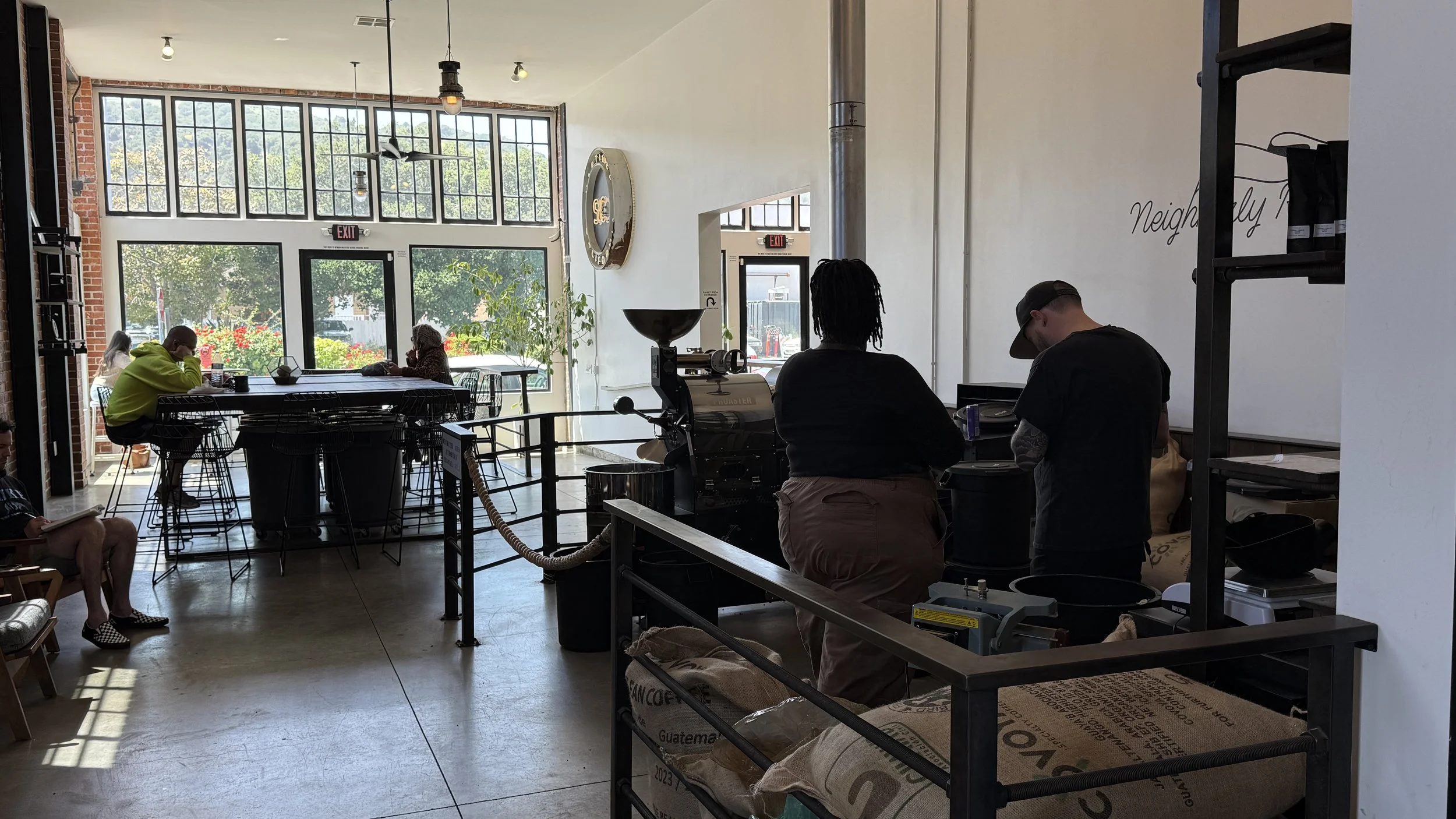
We often use ANC headphones in this environment.
Then What Happened?
So, is what she experienced completely false? No, I believe her hardship is real. I just don’t believe it was caused by ANC, and it might not be a pathology at all. The reason I believe this was simply environmental shock. She grew up in a country area where not much of industrial noises around her, meaning her auditory system was probably tuned to a rural environment for her entire youth. When she moved to a busy and loud urban environment in her twenties, her auditory cortex was not habituated to such environment. The unfamiliar sound profile of the urban environment will confuse her processing. Furthermore, if she was using ANC to block out unfamiliarized noise most of the time, and only opened her ears to that surrounding when talking or eating with her friend, her auditory system never got the enough time to categorize which sounds were which. It naturally struggled to determine what to block out. Whenever our ears meet a new acoustic setting, our brain need time to adjust. Hearing aid users need 3-6 months in average, and cochlear implant users vary widely. The urban soundscape is a struggle even for people who lived in the area for long time; and the soundscape is becoming more chaotic every decade. It is easy to imagine that people who are exposed to such environment intermittently may struggle.

This kind of environment will be very noisy.

This environment will be very reverberant. Different sound profile.
Is ANC Evil? Well…
So does active noise cancelling damage your hearing? You know my answer: no. But does it damage auditory processing? Now that is a hard question. Nowadays a lot of teenagers wear AirPods and other ANC headphones to block out the world. Their brain is still growing until twenties. One of the most critical auditory processing skills is differentiating a target sound source from unwanted sounds—in this article’s case, people’s voice in a noisy environment. If they completely outsource that cognitive processing to ANC technology, will the processing ability still develop? I can’t give you a definitive answer because I’m not a neuroscientist, but I highly doubt it will (if you are a neurologist and have data proving otherwise, please email me or drop it in the comments so I can correct this). However, if this cognitive processing skill has been already developed as an adult, and you are just outsourcing that cognitive load to ANC, the ability might likely be retained. Auditory processing is an incredibly complicated division that requires a lot more investigation.
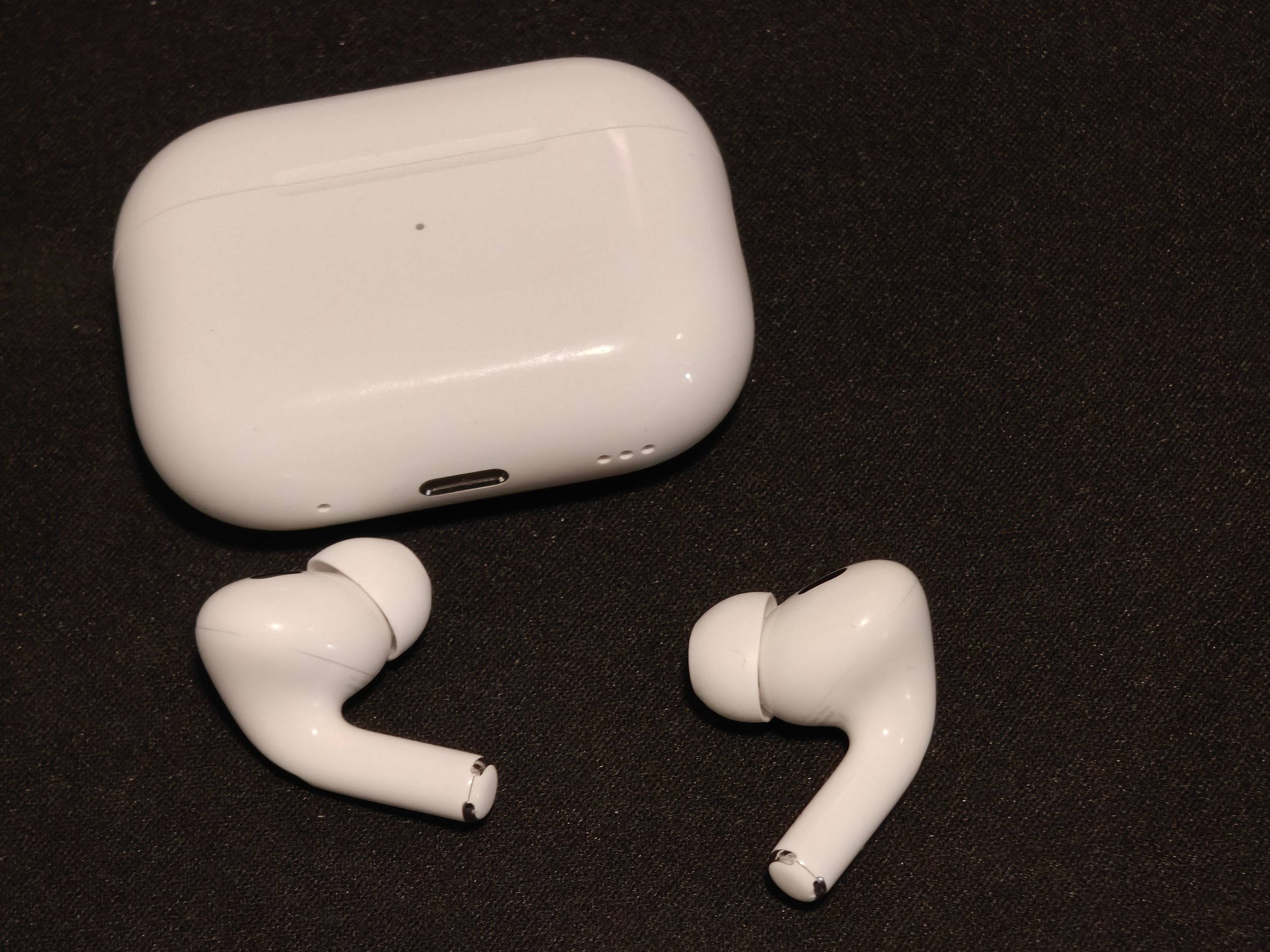
I use this all the time.
The Fin.
But what I can confidently say today is this: your physical hearing will not be damaged by active noise cancellation. It may create a sensation of fullness, pressure, or even ringing just from the sheer absence of background noise, but not hearing loss. Sure, form factors like the AirPods Pro that completely block the ear canal might cause some moisture buildup and itchiness, but again—not hearing loss. I use active noise cancellation all the time to protect my own ears.
I hope this was enough to save you from worrying about noise cancellation damaging your ears. If you have anything that you want me to discuss for the next time, let me know in the comment section. See you in the next one.
