[4] Unofficial Guide to Your Ears – The Truth About $99 Amazon "Hearing Aids"
Ooooooh this is a hot potato for sure. Now we are talking about hearing aids, and I am very excited to tear into these things. But before we dive into prescribed hearing aids, let’s talk about over-the-counter hearing aids (OTC). You see the ones on the shelves at CVS and Best Buy? Those are OTC hearing aids.
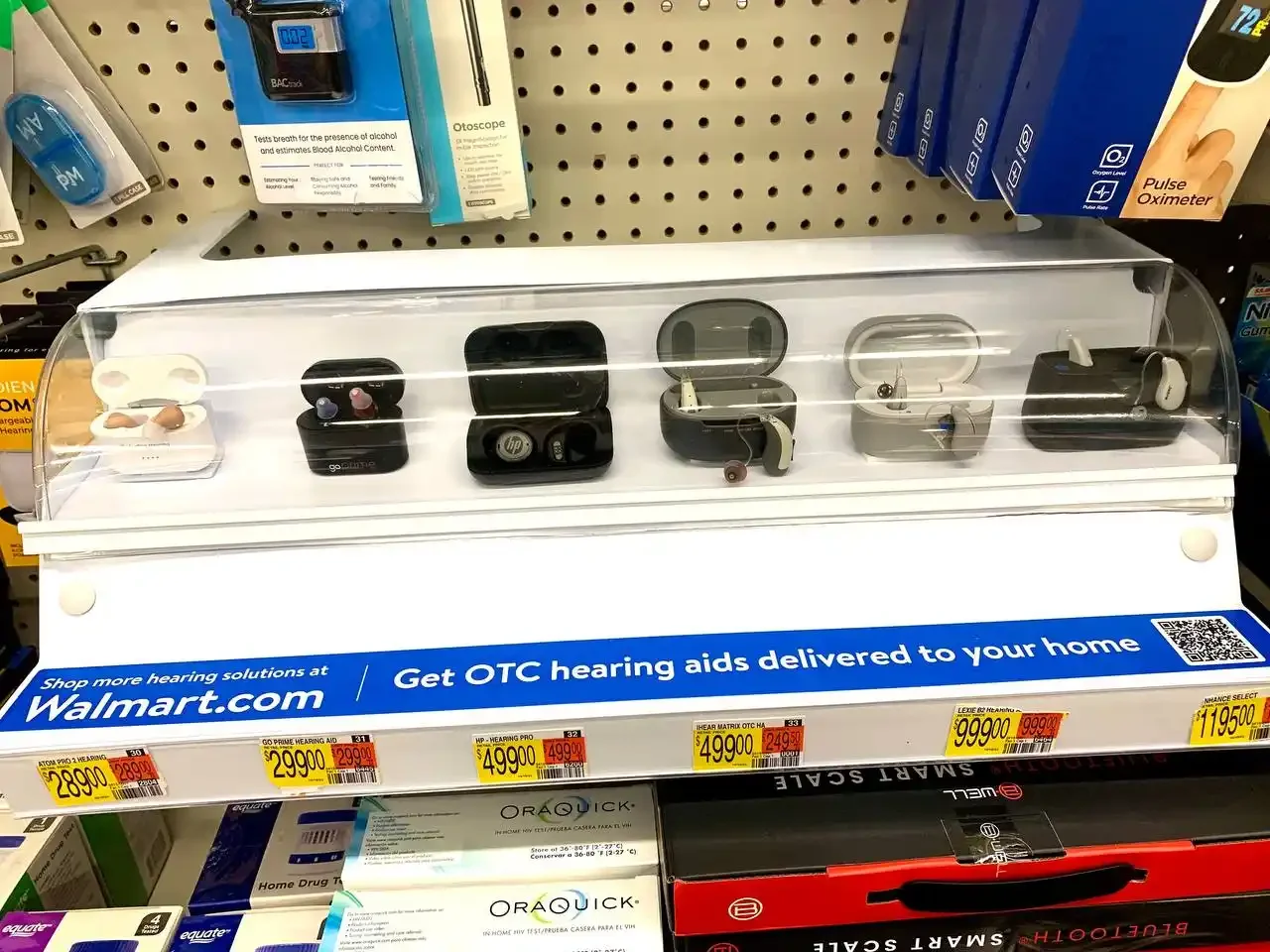
[Image from HearingTracker] Do they look familiar?
Let me clear up what Costco sells. Those are prescribed hearing aids, which are fundamentally different from OTC ones. The difference lies entirely in the involvement of a professional—either a hearing aid dispenser or an audiologist. If you have to see someone to get them, they are prescribed. If you can just grab them off a shelf or order them online without seeing a dispenser or audiologist, they are OTC products.
???:HEARING AIDS ARE FREAKING EXPENSIVE!
OTC: Hold my beer.
OTC products were launched to provide more economical options for patients who are financially overwhelmed by the cost of hearing aids. I completely understand that hearing aids are ridiculously expensive, ranging from $2000 to $7000 out-of-pocket depending on the technology tier. OTC was developed under the concept that if you eliminate the price driving factor—like a professional’s involvement, more patients will get fitted. Sure, as a practicing audiologist, I admit that I inevitably have to generate profit to put food on the table, but isn’t that because the current medical billing structure of the hearing health care system limits our notable profit source almost entirely to hearing aid sales? I could rant more about that, but I’ll stay focused on OTC for now.
As a sound engineer who has dealt with a lot of advanced audio tech, I can tell you that hearing aids are top-tier devices where every possible invention is crammed into a case smaller than half your thumb. Even setting aside the advanced stuff, there is a battery, microphone, analogue-digital-converter, processor, digital-analogue-converter, and a speaker—and these are just the minimum components. If you take out the battery, the size of hearing aids reduce by half, yet all of those components still sit inside that tiny case. Now let’s throw in a couple more microphones, components to reduce latency, a processor that handles multichannel processing, storage to store some programs and user information, and… oh yeah, it needs to be practically invisible so other people can’t see it. I had this conversation with another sound engineer, and he said that sounds like a million-dollar device.
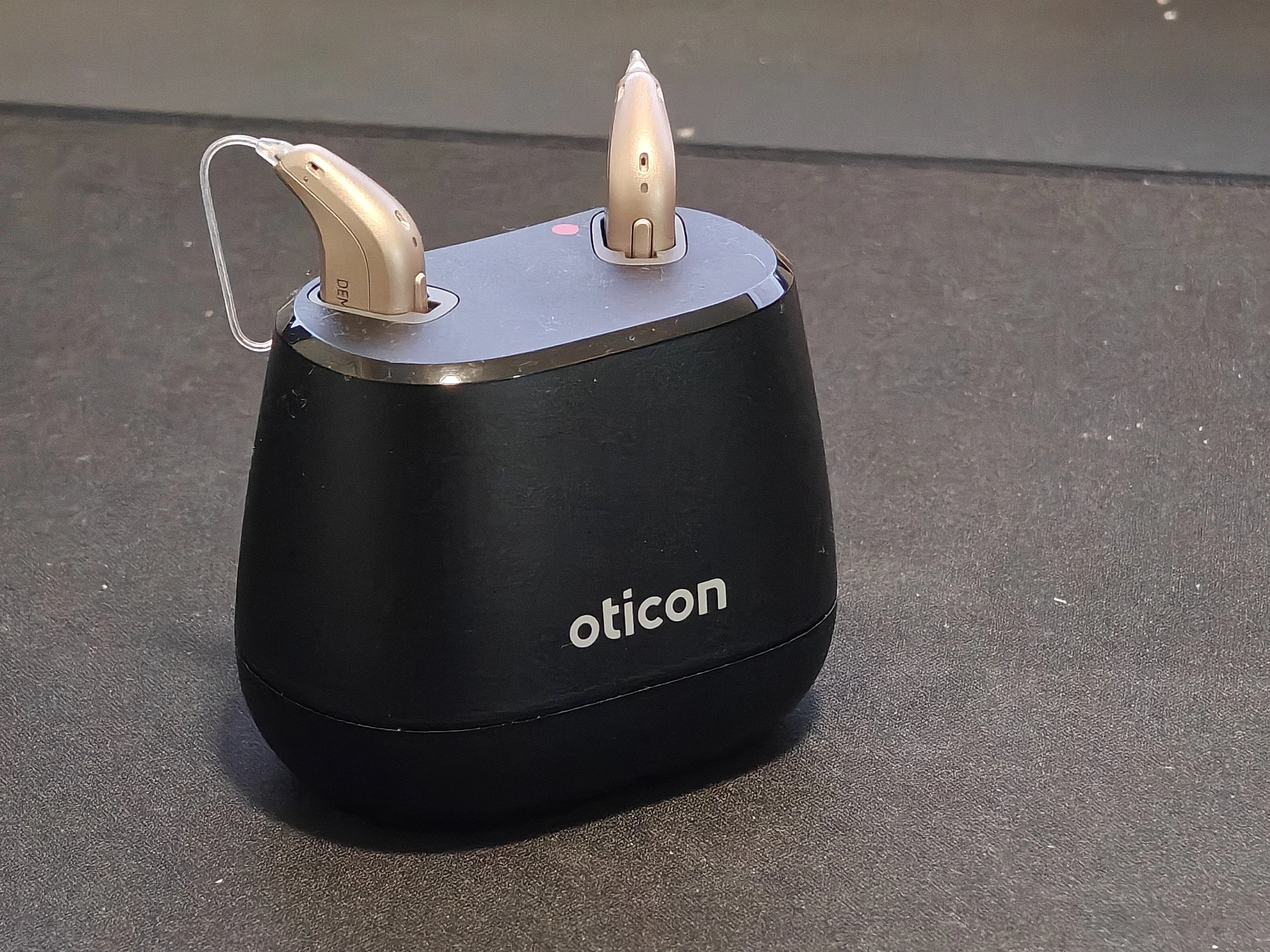
One of the prestigious hearing aid brands, Oticon.
I’m not trying to justify the price of every hearing aid on the market, but I just want to say that you get what you pay for. Hearing aids are truly remarkable devices, but the caveat remains: you get what you pay for. So, where does that leave OTC?
Since OTC removes the professionals, the burden of tuning the device and verifying that it actually works properly falls entirely on the patient. There are more and more patients with engineering and IT backgrounds who can handle this burden, but there are still a lot of patients who absolutely cannot. Tons of seniors are asking their children or grandchildren for attaching a photo to a text message, setting up their phones, and managing their calendars on an app. They might get through the initial setup, but what happens when there is a problem? I’d say instead of stressing yourself out, leave it to us. That is why we are here for.
Hamburgers, Suits, and hearing aids
I can’t really lay out every single detail that separates OTC from prescribed hearing aids because it will be a 10 pages of essay, but I can summarize the comparison like this:
Every store can make hamburgers, but not all are savory.
Or, buying a high-end tailored suit straight off the rack. Sure, it’s still a suit, but without the tailor to pin it and hem it to you, it’s going to fit terribly.
Yes, OTC hearing aids are trying to implement multiple bands, noise cancellations, multiple programs, multi-mics, and all the bells and whistles. Those features are technically available at some level but they are not at the level of a prescribed device. The general rule is: the more hearing loss you have, the lower likelihood of success with OTC will be. OTC devices are legally designed to work only for those who have “signs of mild to moderate hearing loss.” Note the exact wording: if you have “SIGNS” of mild to moderate hearing loss. It is exactly like grabbing Tylenols, or a pair of reading glasses off the self of at CVS.
My point of view:
To make this easy, let’s break the OTC market down into three buckets so you know exactly what you are dealing with:
First, the cheap stuff. If you go way too low on the price, the quality drops to a point where they shouldn’t even be called hearing aids; they are just megaphones. Their justification for advertising themselves as hearing aids is essentially, “Well, this device provides amplification, so we will just call it a hearing aid.” But when that amplification is not regulated, it is not a hearing aid. It is a loud noise exposure device, and it will permanently damage your hearing. Please, please work with a licensed provider if you think you are struggling.
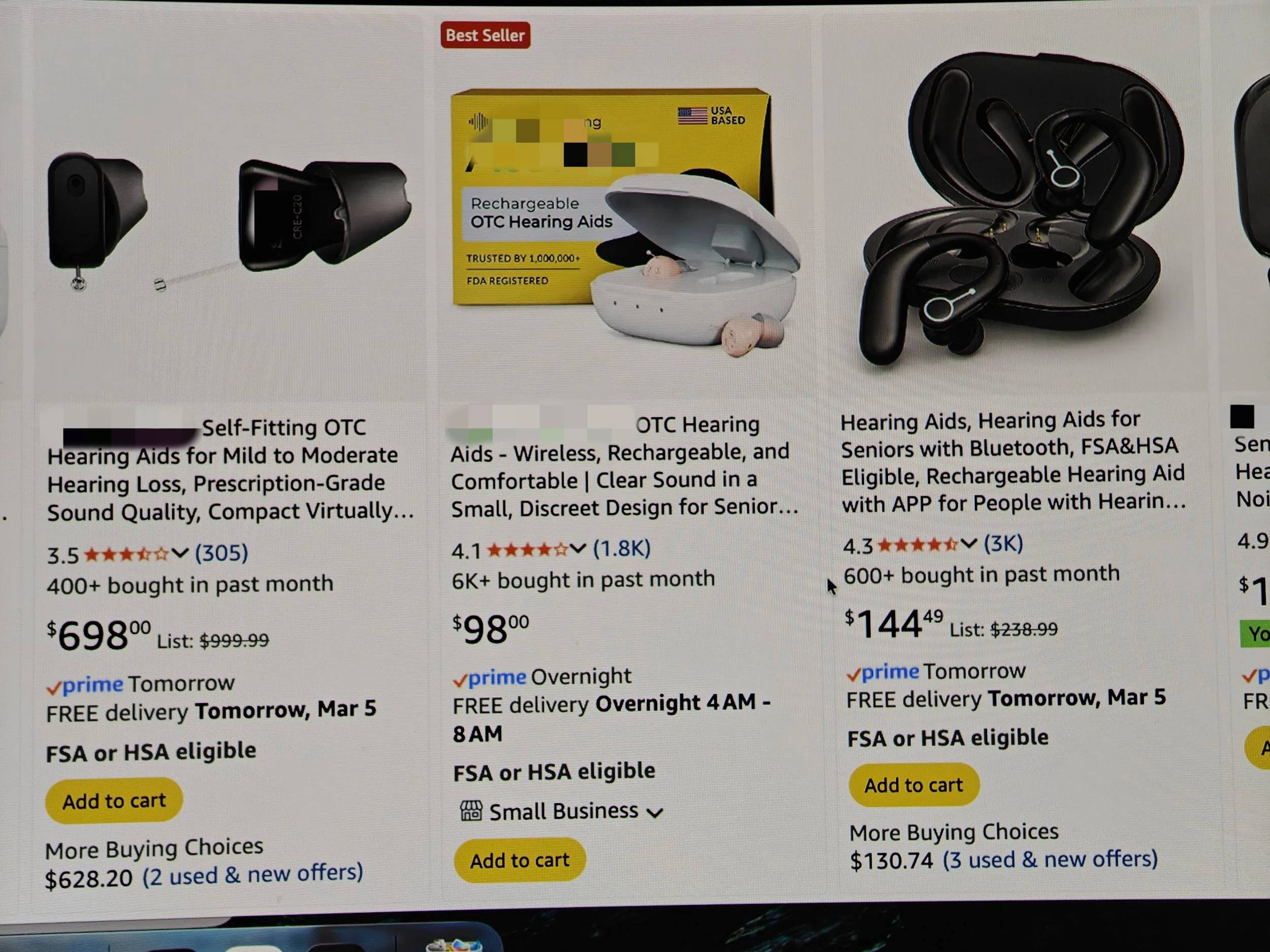
Seriously?
Second, the sensible middle ground. Although I stand against OTC devices in general, there is one device I can actually recommend prior to prescription hearing aids: the Apple AirPods Pro. During their development, Apple actually included hearing health care professionals like doctors of audiology to ensure they provide needed amplifications safely— and they work well. Their built-in hearing test checks the environmental noise, and thanks to their great noise cancellation, the in-situ hearing test (testing directly through the device) is much more reliable than their competitors. When I tested their hearing assistive features myself, they delivered the kind of good-quality sound that you would normally expect from prescribed hearing aids. The downsides are that your ears might sore if you wear them for an extended time, and they won’t work if you have worse hearing than a moderate hearing loss. It will give you an idea of how hearing aids would help though.
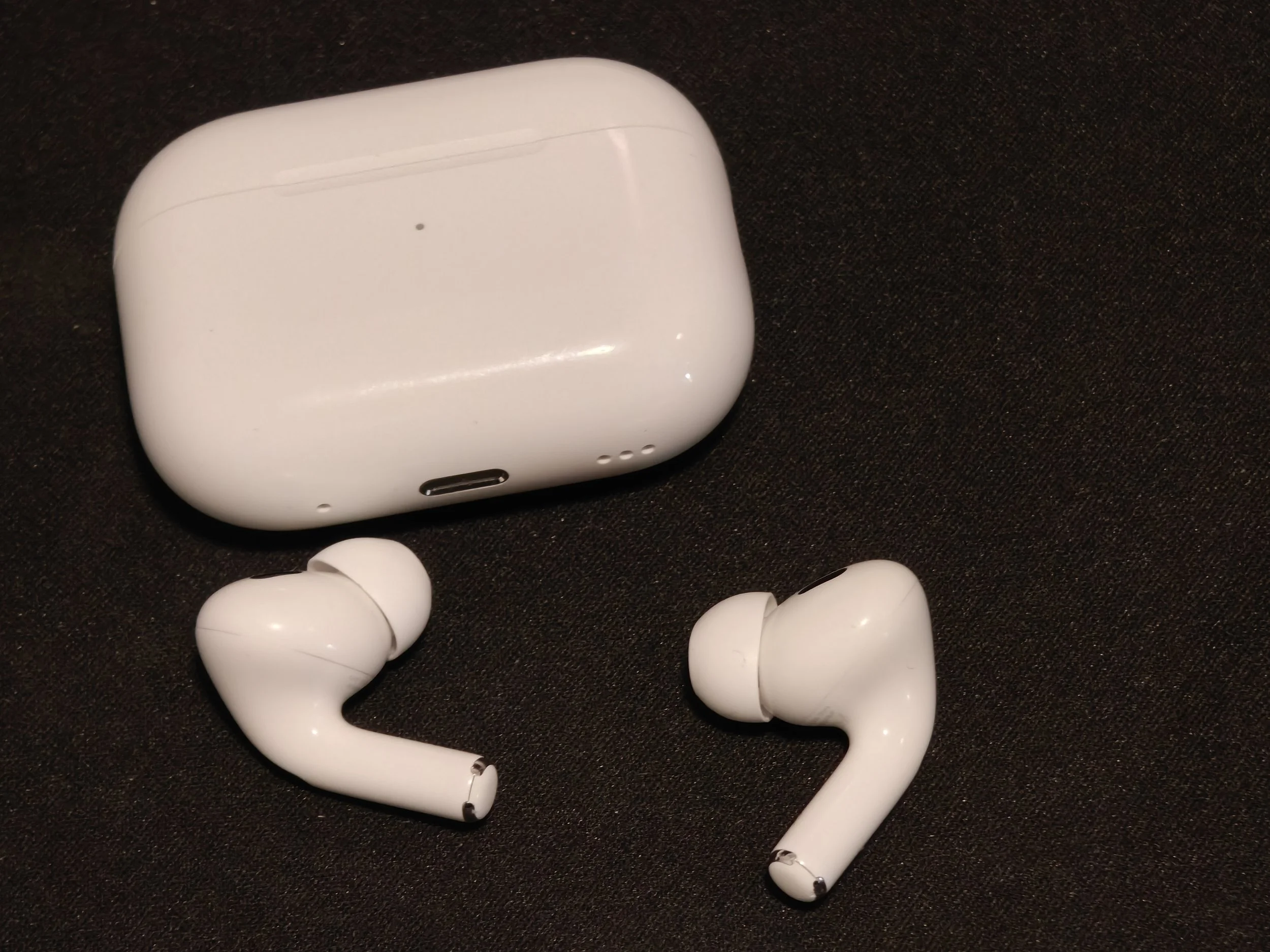
These are legit. I enjoyed them.
Third, the high-end OTCs. I really wish I can try every OTC hearing aid and rank them from my perspective, but they are still ridiculously expensive — some go up to $1400 or more! At that price point, dude, just get prescribed hearing aids. It’s not worth the hassle.
So in the end, no, I would never go with $99 Amazon hearing aids, Never. If my own friends or family members were considering it, I would grab their wrists right away and take them to a clinic for proper care before they do more harm to themselves with those devices. You only get one pair of ears for your life. Let’s protect them and keep them sound. But anyway, I’m all ears for your experiences with these devices. Who knows? You might actually change my view on them.
